


Welcome to Cycjet. Professional manufacturer of intelligent inkjet coding and laser marking machines
Welcome to Cycjet. Professional manufacturer of intelligent inkjet coding and laser marking machines
Laser marking machines are widely used in the food industry for product and packaging identification, including production dates, expiration dates, batch numbers, QR codes, and logos. However, different packaging materials, marking requirements, and production speeds require different laser sources and machine configurations.
Choosing a laser marking machine is therefore not simply about comparing power or equipment prices. The material, marking quality, production process, and installation requirements all need to be considered.
Laser marking in the food industry is not a one-machine-fits-all application. Different marking objects require different solutions:
In simple terms: first determine where the mark will be applied, then identify the material, and finally consider the production speed.
CO₂, fiber, and UV lasers have different wavelengths and material absorption characteristics. Therefore, laser power alone should not be the deciding factor.
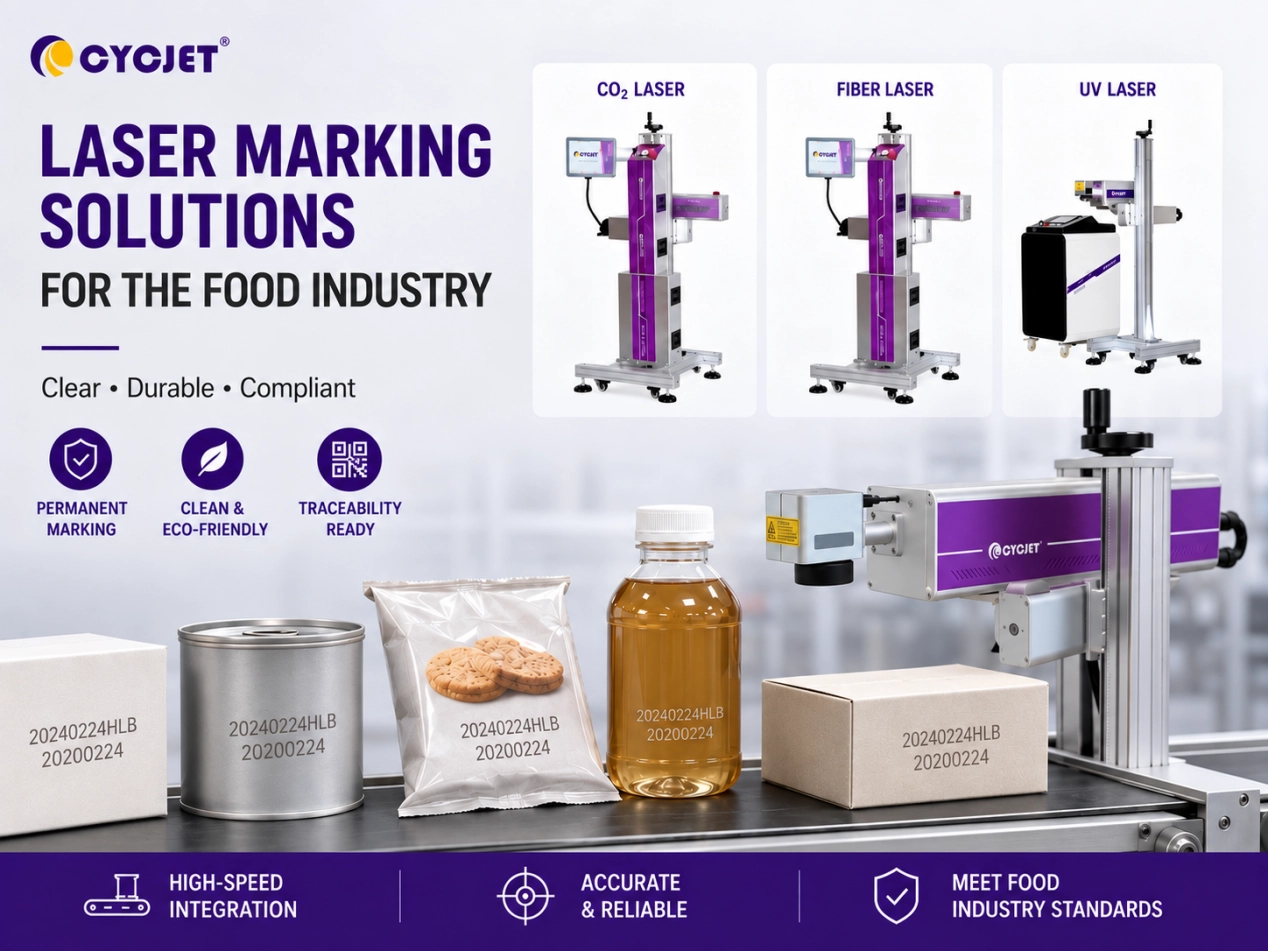
Production dates, expiration dates, and batch information on food packaging need to remain clear during transportation and storage. Traditional inkjet coding may become blurred or damaged by condensation, grease, moisture, or friction, especially in cold-chain applications.
Laser marking creates a mark directly on the material surface through a controlled laser process, offering several advantages:
Durable marking: The mark does not rely on ink adhesion and is resistant to fading and wear.
Reduced consumables: No ink or solvent is required, helping reduce routine consumable management and maintenance.
Traceability-ready: Dates, batch numbers, QR codes, and other variable information can be marked as needed.
Easy automation: The system can be integrated with conveyors, sensors, encoders, and vision systems.
However, not every packaging material produces the same marking result. For example, transparent PET may require UV laser marking or process adjustments, while low-melting-point materials such as PE require careful parameter control to avoid damaging the film.
For this reason, testing with the actual packaging material is an important step before selecting a laser marking solution.
The first consideration when selecting a laser marking machine is the packaging material.
CO₂ lasers are commonly used for non-metallic packaging, while fiber lasers are generally suitable for metal packaging. UV lasers can be considered for dark, colored, or transparent plastics and applications requiring finer marking.
CO₂ lasers commonly operate around the 10.6 μm wavelength, fiber lasers around 1064 nm, and UV lasers around 355 nm. Different wavelengths interact differently with different materials, so actual marking performance should ultimately be verified through sample testing.
After determining the appropriate laser source, the machine configuration should be selected according to the production process.
For continuous food packaging lines, CYCJET laser marking machines can be configured for flying marking and synchronized with conveyor speed and triggering signals for online coding.
For small-batch production or sample testing, desktop systems provide greater flexibility. For irregular packages or applications requiring accurate positioning, vision positioning or an automated workstation can be considered.
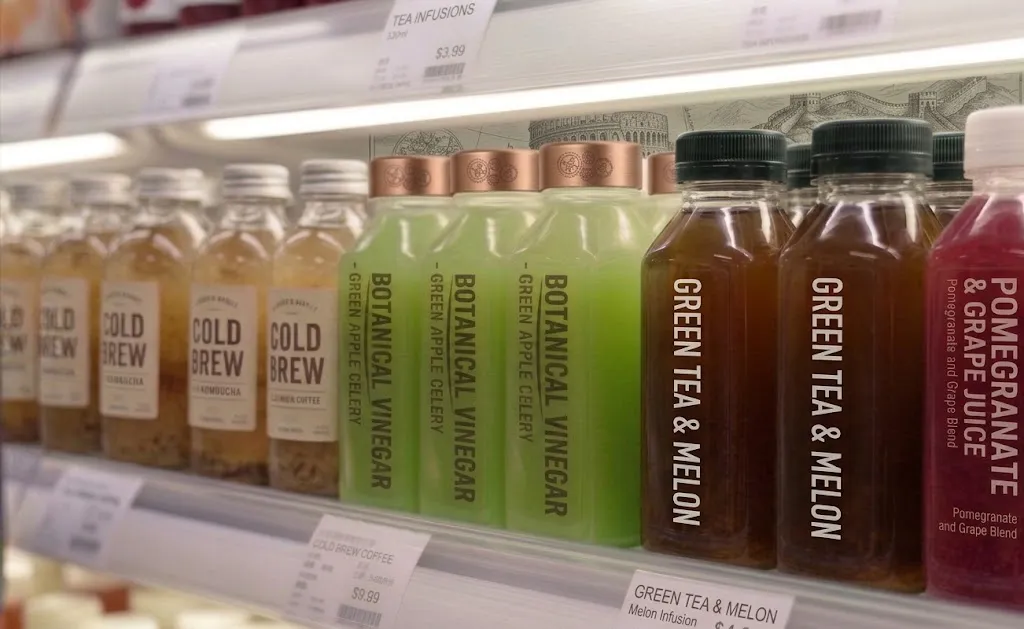
Laser marking is widely used on food and product packaging, including paper boxes, plastic packaging, metal cans, and bottle caps. CYCJET can match different laser marking solutions according to the material and production requirements.
For packaging such as biscuit, pastry, and candy boxes, a CO₂ laser marking machine can be used to mark production dates, expiration dates, batch numbers, and QR codes online.
The laser creates clear marks directly on the packaging surface without traditional ink consumables, making it suitable for continuous production lines.
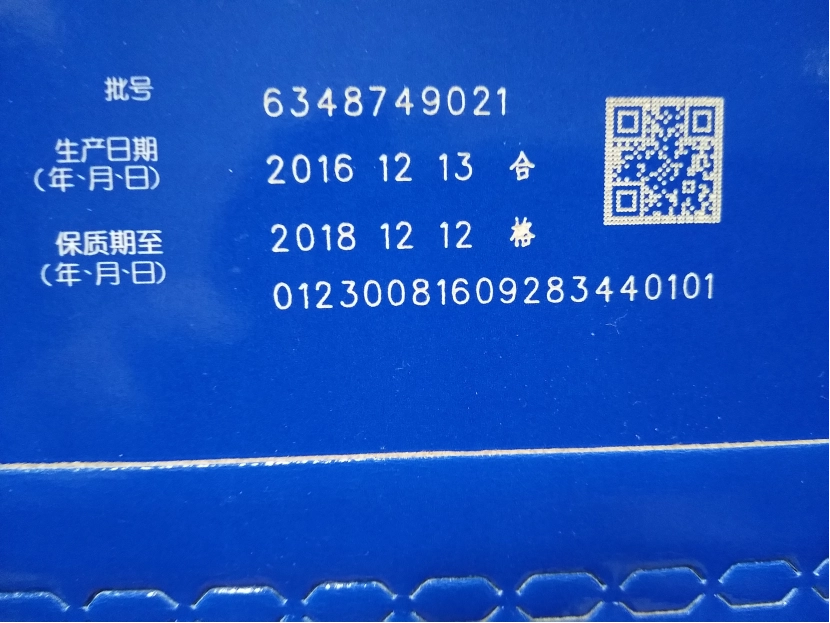
For PET, PP, PE, and composite food packaging materials, CO₂ or UV laser marking can be selected according to the material characteristics.
With appropriate laser parameters, production dates, batch numbers, and traceability codes can be clearly marked while minimizing the impact on thin films and packaging structures.
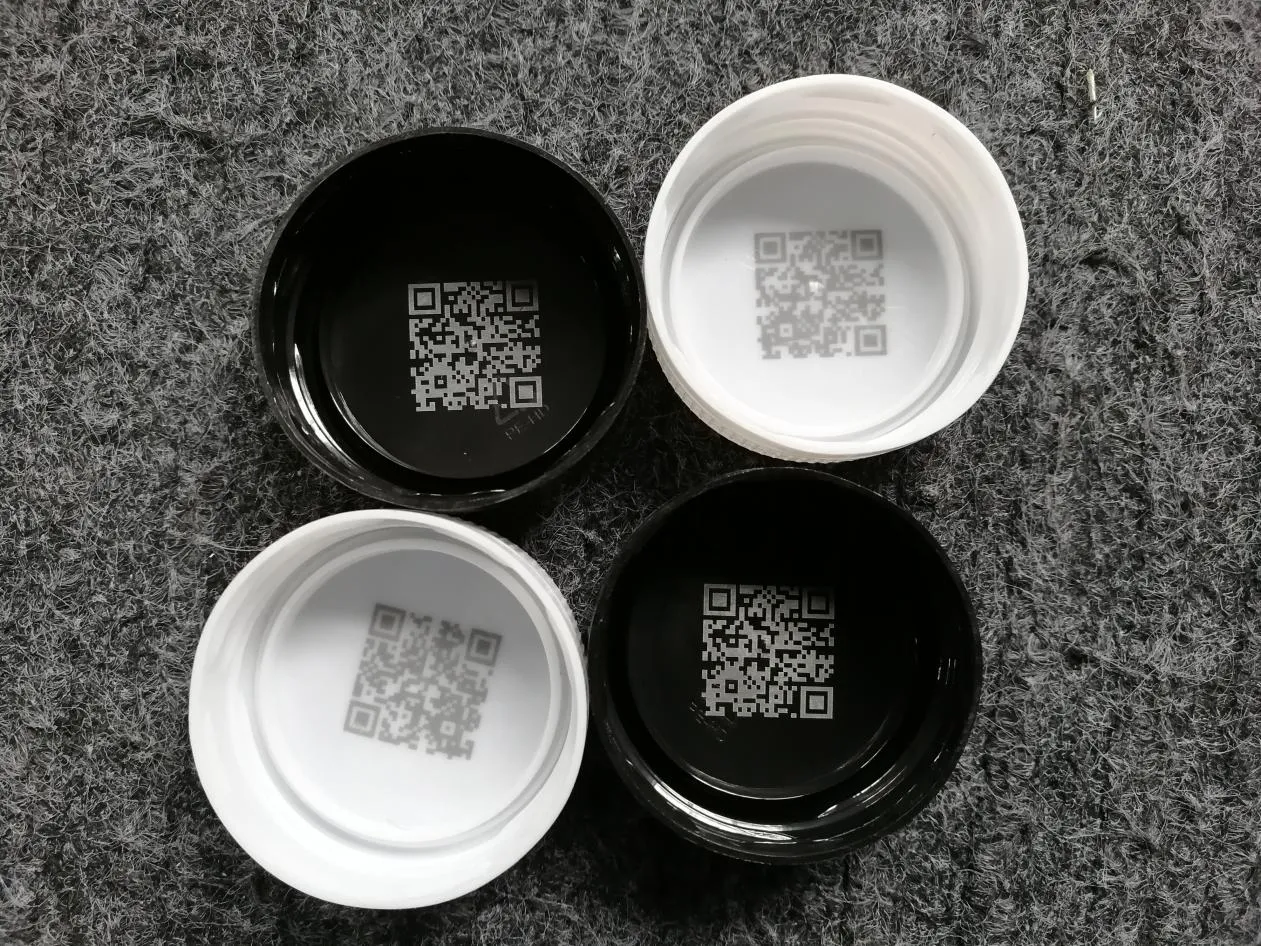
For cans, milk powder containers, and metal bottle caps, fiber laser marking machines can create clear and durable marks on metal surfaces.
Production dates, batch numbers, logos, and QR codes can all be marked. With a flying marking configuration, the system can also be integrated into continuous production lines.
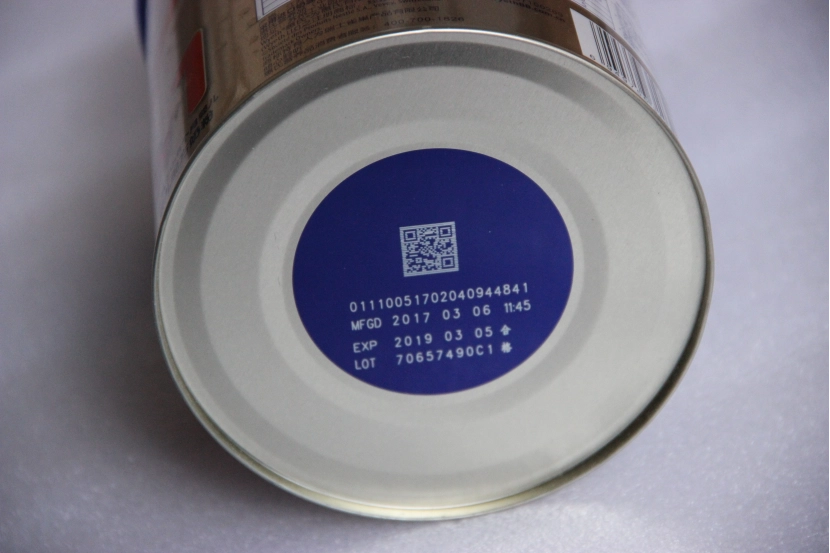
For selected plastic bottles, metal containers, and composite packaging, laser marking can be used for batch numbers, production information, and traceability codes.
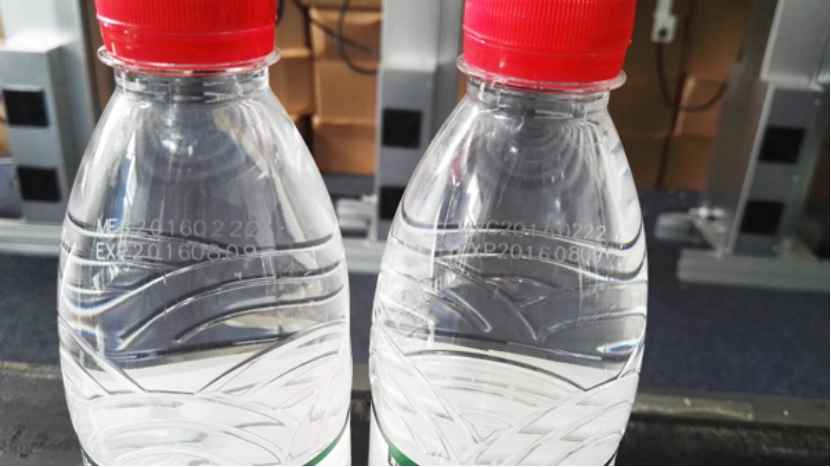
Compared with traditional ink-based coding, laser marking reduces consumable management and can be integrated more easily with automated production systems.
These applications also show why laser marking machine selection needs to be based on the actual packaging material and production conditions. CYCJET can recommend CO₂, fiber, or UV laser solutions according to the material, marking content, production speed, and installation requirements.
Whether a laser marking machine is suitable for a particular product cannot be determined by equipment specifications alone. It is recommended to complete the following tests before purchasing:
For films, laminated paper, transparent plastics, and other sensitive materials, it is recommended to test actual samples rather than relying on similar materials.
To select the appropriate laser source and machine configuration, it is helpful to prepare the following information:
The more complete the information, the more accurately CYCJET can evaluate the application and recommend a suitable laser marking solution.
The initial investment in a laser system is usually higher than that of a traditional inkjet printer. However, laser marking does not require ink or solvent consumables and generally requires less routine maintenance. For continuous production, the overall cost should be evaluated based on equipment, consumables, maintenance, and downtime.
Transparent materials may have low absorption for certain laser wavelengths, resulting in insufficient contrast. A suitable laser source or process parameters can be selected according to the material. Testing with the actual bottle is the most reliable way to evaluate the result.
Yes. Actual performance depends on the laser source, scanning speed, production-line speed, and synchronization between triggering and marking. For high-speed food packaging lines, flying laser marking can be used for online coding.
Choosing a laser marking machine for the food industry is not simply about comparing laser power or equipment prices. The key is finding the right match between the laser source, packaging material, marking content, and production speed.
CYCJET provides CO₂, fiber, and UV laser marking solutions for different food and product packaging applications, with options for flying marking, vision positioning, and automation integration.
If you are evaluating a laser coding solution for your production line, provide your actual material, marking content, and production-line information. CYCJET can help determine the most suitable laser type and machine configuration through sample testing and application evaluation.
Contact Person: David Guo
Telephone: +86-21-59970419 ext 8008
MOB:+86-139 1763 1707
Email: sales@cycjet.com
Web: https://cycjet.com/
Keywords:

WeChat QR code


